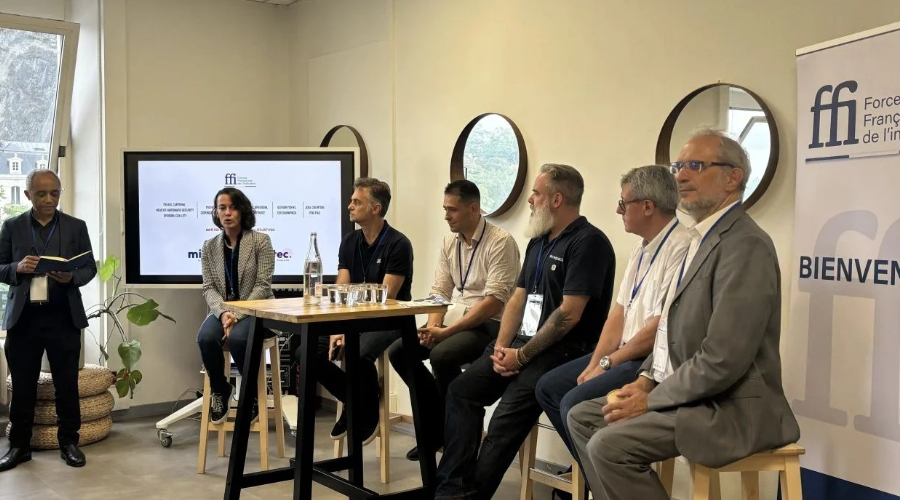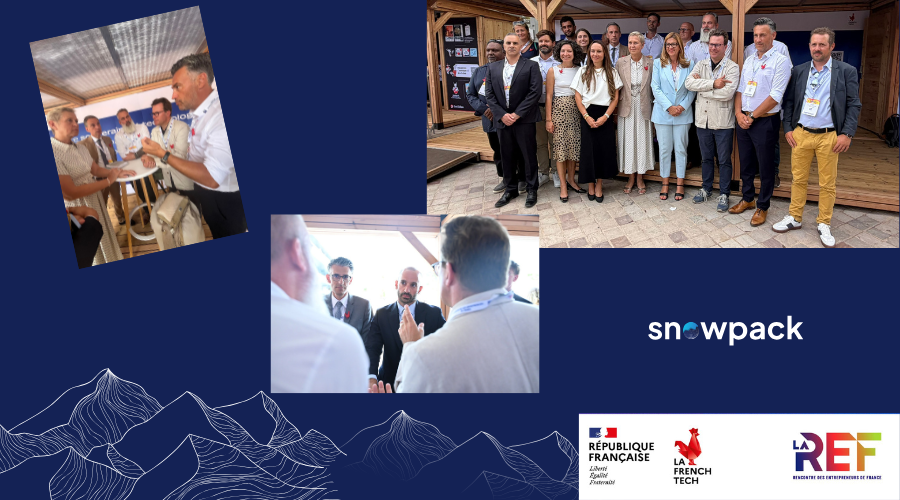
Looking back on Les Assises de la Cybersécurité 2026, one topic came up repeatedly in our conversations with CISOs at the Snowpack booth: the acceleration of the cyber threat with artificial intelligence.
A legitimate concern, because AI changes the game: it makes it possible to identify vulnerabilities faster, automate certain research tasks, and can considerably shorten the window between the discovery of a flaw and its exploitation.
Regardless of any potential role of AI, recent news — from PHP2Shell to the compromise of industrial refrigeration controllers — reminds us how critical the exposure window can become.
Faced with this, the natural reflex is: detect faster, remediate faster, patch faster.
Obviously. But how far can we go?
👉 What should you do when no patch exists yet?
👉 When the system cannot be patched?
👉 When an update requires shutting down a production line or calling in a service provider?
At Snowpack, we believe we also need to change the rules of the game.
Rather than focusing solely on fixing vulnerabilities before they can be exploited, why not start by making vulnerable systems invisible to attackers?
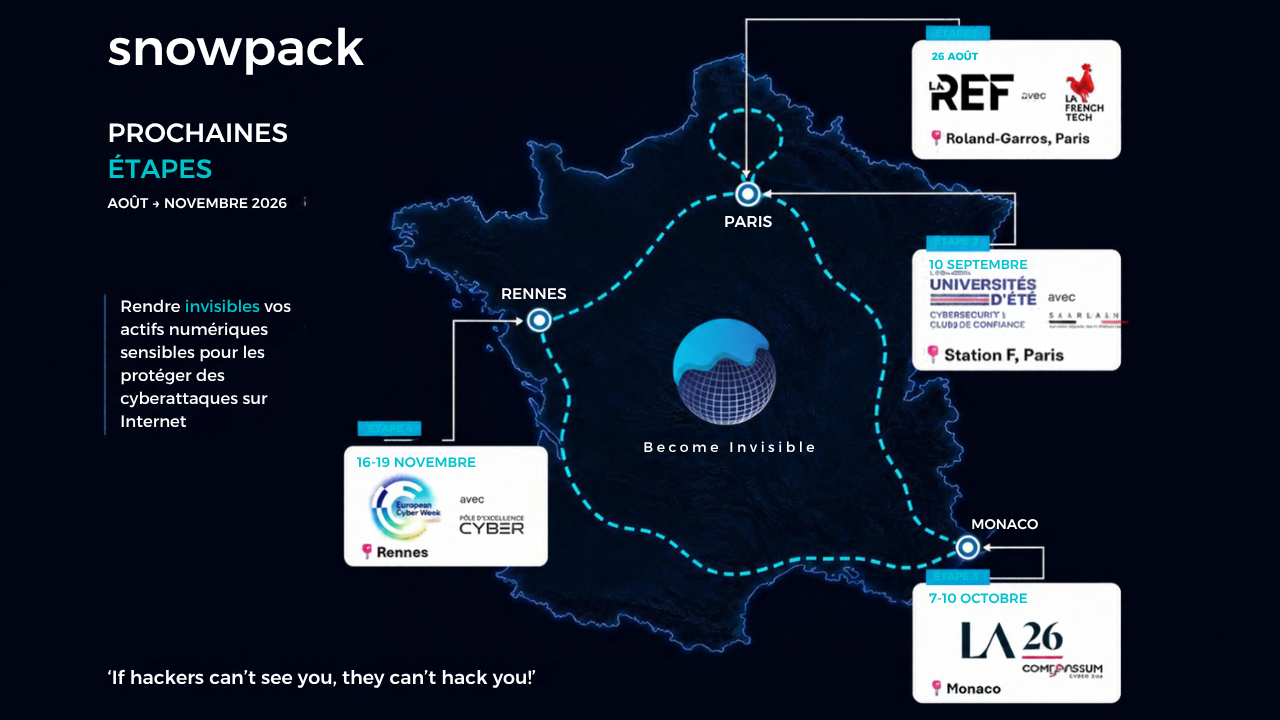
That’s the principle behind our technology: drastically reducing the attack surface exposed on the Internet, while preserving the access needed by authorized users and systems.
This obviously doesn’t replace patching. But it reduces exposure, especially when a fix cannot be applied immediately.
This year, the theme of Les Assises was “OSONS!”
So, faced with the acceleration of the AI-driven threat, let’s also dare to embrace disruptive technologies.
Because when faced with AI, cybersecurity will not be reduced to a speed race between attackers and defenders.
And what if part of the answer was simply to stop being visible? ❄️